Japan crashed out at the 2026 World Cup, yet JFA still drew up a 31bn-yen deficit budget - and insists the gamble is worth it. After Brazil beat Japan 2-1 on 29 June 2026, the Japan Football Association unveiled a 2026 fiscal plan: ¥256bn outgoings against ¥225bn income, leaving a ¥31bn red figure. Travel and logistics for the North American World Cup pushed costs up sharply, while the 32nd-place exit cost Japan an estimated $4 m in prize money. Over the last five games Japan have two wins, two draws and one loss (LDWDW).
Why JFA chose a 31bn-yen deficit
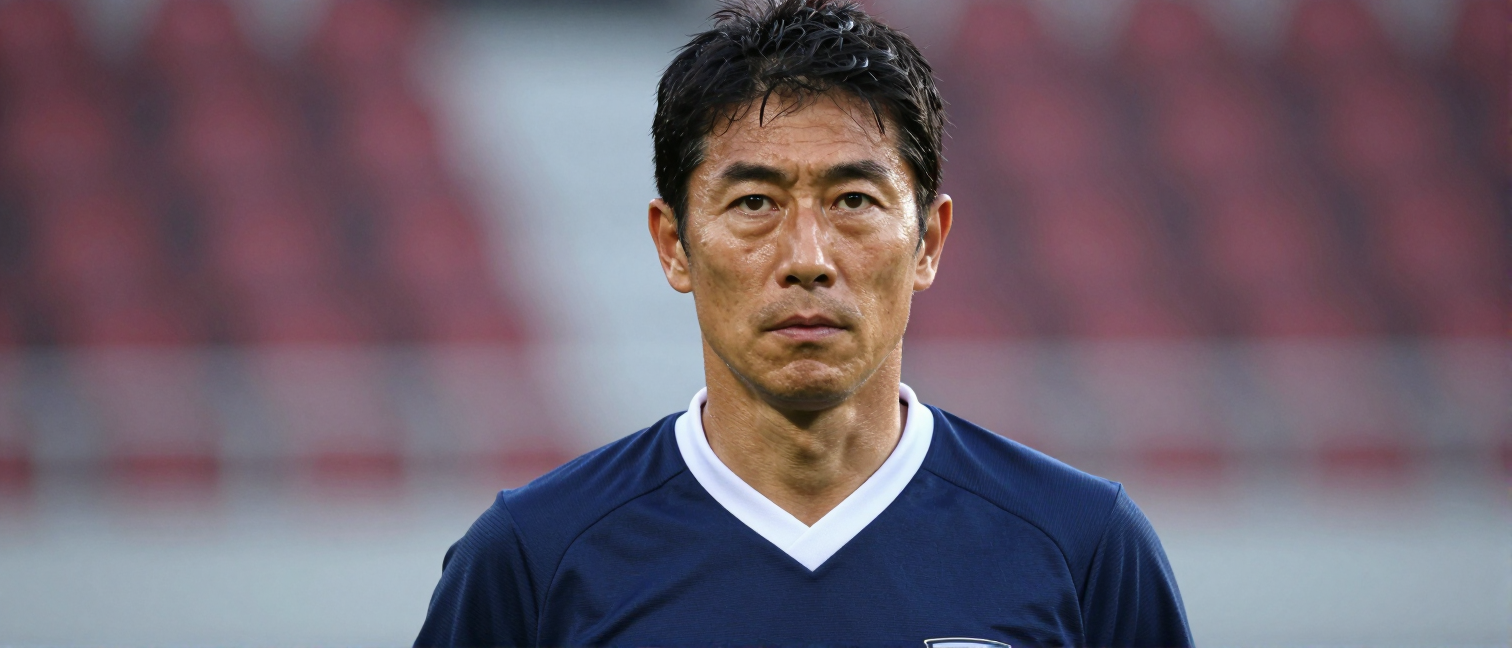
JFA framed its 2026 budget around the 2022 Qatar run to the last 16. With Japan eliminated at the group stage this time, prize-money income fell from the projected $24 m for a Round-of-16 finish to the $17.6 m participation fee. Manager Hajime Moriyasu still promised “the best scenery” on the way to the final, but the team fell short. Even so, JFA locked in higher player allowances and travel costs, accepting a ¥31bn shortfall to keep investing.
Player-level spending is rising too. Under JFA rules, squad members receive ¥10 000 per day on duty and a World-Cup win bonus of ¥2 m (half for a draw). Back in 2022, when Qatar hosted the tournament, the books showed a ¥46bn-plus deficit; JFA calls it “the moment to use past surpluses to cover the cost.” Yet revenue from national-team business still outstrips outgoings: in 2026, ¥167bn in income versus ¥112bn spent, netting ¥55bn. The offset is the ¥53bn loss racked up by “grassroots” programmes - the very investment JFA insists is the route to future strength.
Closing the gap to the elite
JFA’s total income stands at ¥225bn. That pales beside France (€550 m), Brazil (€857 m) and England (€1 118 m). Yet since 2011, when national-team-related outgoings were ¥88bn, the figure has climbed to ¥166bn. The 2005 Declaration - “10 million soccer families and a World-Cup win by 2050” - now has a concrete step: the 2026-2031 Growth Strategy targets ¥300bn in annual turnover by 2031.
Coach pay illustrates the funding gap. Carlo Ancelotti (Brazil) reportedly earns ¥1.7bn, Thomas Tuchel (England) ¥1bn, while Moriyasu is estimated at ¥200 m. More money would widen the menu of options - better facilities, deeper squads, higher-profile hires. That is why JFA is doubling down on “youth development, women’s football growth and coach-referee education,” aiming to lift overall competitiveness.
Why deficits now mean dividends later
JFA sold its Bunkyo-ku headquarters, the JFA House, realising ¥100bn in gains across 2023-24. By 2026 the reserve fund stands at ¥242bn, enough to absorb the red ink. Even 2025, which opened with a ¥16bn deficit forecast, closed with a ¥1bn surplus thanks to stronger gate receipts and sponsorship. Still, JFA lists “balanced growth” alongside “expansion” in its strategy, knowing that public-benefit status demands reinvestment rather than profit alone.
MF Daichi Kamada, playing for Crystal Palace, told reporters after the Brazil defeat: “We have to make soccer Japan’s national sport, the way it is in Brazil or Argentina. Only then will we have a real shot at lifting the trophy.” His words capture the gamble JFA is taking: spend now, harvest later. With the recent run of two wins, two draws and one loss (LDWDW), the path is uneven, but the long-term bet is on.