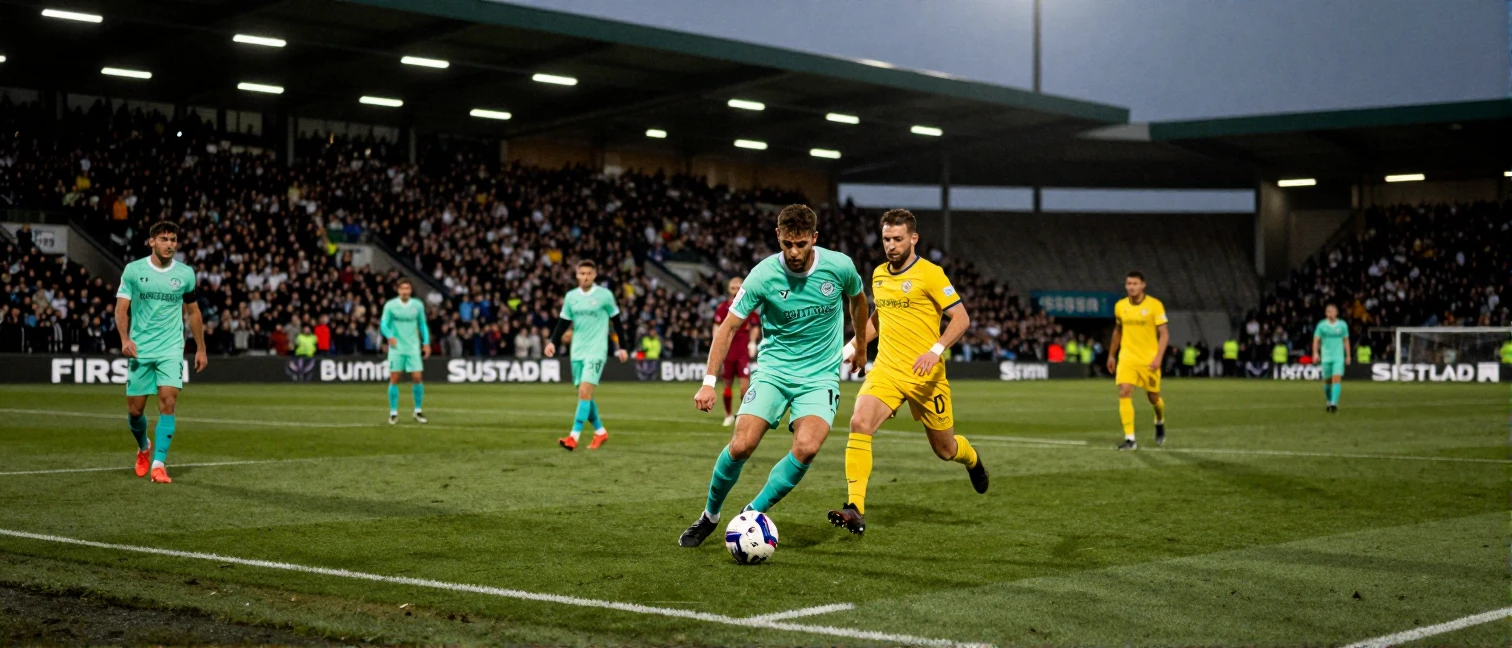
Japan’s Samurai Blue recorded a 3-0 victory over Bolivia on November 18, 2025, and their recent five‑match run stands at WWWDL, showing a solid three‑game winning streak. Yet former international Keisuke Honda’s recent X post warns that a lack of free‑play spaces for kids may be holding the team back.
What is Honda demanding?
On July 6, Honda tweeted “A country that bans soccer in parks can’t get stronger,” a message that amassed over 50,000 likes. He cited a 2019 survey showing 63.9% of small towns (populations under 100,000) allow park soccer, compared with just 18.2% in Tokyo. He summed it up with a blunt “Seriously, that.”
Why is the grassroots issue surfacing now?
Samurai Blue entered the World Cup aiming for at least a quarter‑final but exited at the round of 32. Honda argues that the early‑stage lack of playing opportunities contributed as much as tactical flaws. The current sidelining of S. Machino and T. Kubo underscores the depth problem and highlights the urgency of youth development.
What are the reactions?
Supporters echoed “There’s hardly any place to play casually now” and “We have to do something.” Critics countered, noting “Brazil is getting weaker despite free park play” and “Baseball’s strength shows soccer isn’t the sole issue.” The debate now touches the entire direction of Japanese football.
What lies ahead?
Samurai Blue must simultaneously boost player depth and improve grassroots access. Partnerships with local governments to create free‑kick zones and raise park‑play permissions could be decisive. If Honda’s call translates into policy, a future quarter‑final run at the World Cup may become more than a dream.