Opinion
Japan's Fans Lead World Cup with Eco‑Friendly Support Tradition
Japan's national team supporters have been cleaning stadiums since the 1998 World Cup, earning awards and inspiring other nations with their eco‑friendly tradition.
10 Jul 2026
By 和田 凌 · senior correspondent
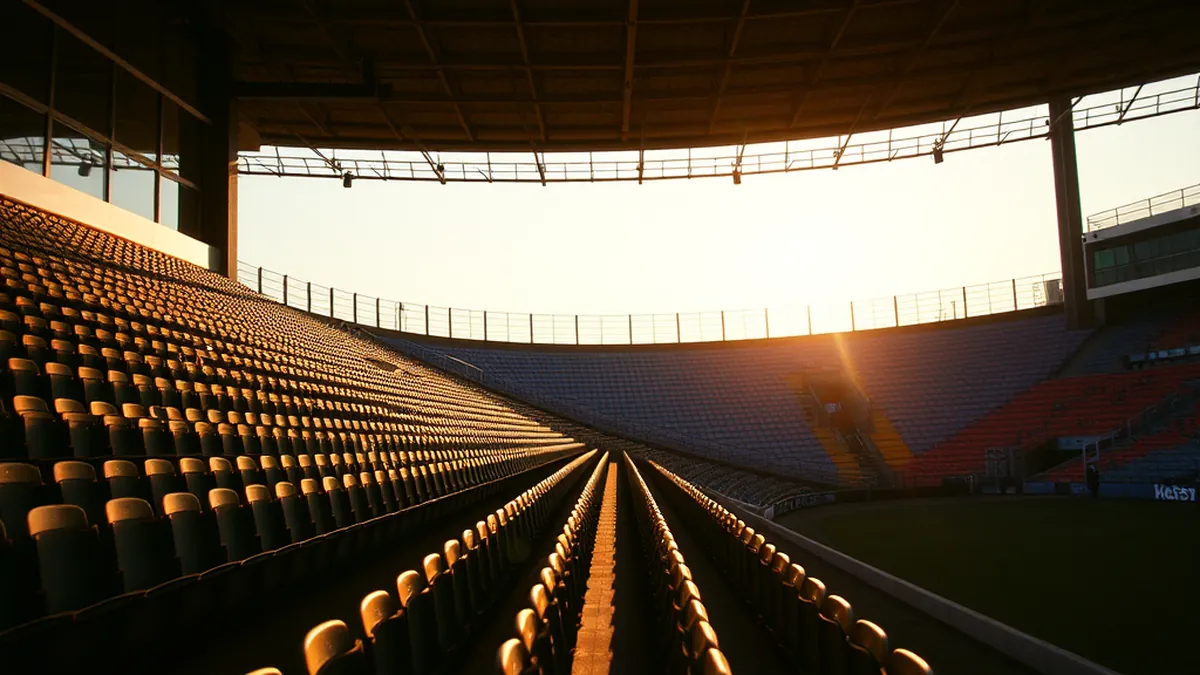
Japan's national team supporters launched an eco‑friendly tradition at the 1998 World Cup and have kept it alive ever since.\n\nJapan beat Bolivia 3-0 on 2025‑11‑18, and the last five matches read WWWDL, putting the side on a three‑game winning streak. After each game, fans grab blue plastic bags to collect confetti and trash, a practice that has drawn global media attention.\n\n## Why did Japanese supporters start cleaning up?\n\nIn France 1998, Le Monde called the fans "the most enthusiastic, the most peaceful" and highlighted their blue bags waving in the stands, then being used to sweep up paper confetti after the final whistle. The habit stemmed from a pre‑match tradition of scattering paper, making post‑match cleanup a natural extension.\n\n## How have they been recognised?\n\nAt the 2014 Brazil tournament, Rio de Janeiro's environmental chief Carlos Porcílio praised Japan as "champions of environmental awareness" and presented an award.\n\nDuring the 2018 Russia edition, after the Senegal match, Senegalese supporter Isa Haji (40) said she learned about Japan's cleaning from online articles and urged everyone to follow suit.\n\nIn Qatar 2022, the organizing committee officially honoured the Japanese fans, noting that supporters from Morocco and Tunisia were already copying the practice.\n\n## What impact does this have on Japanese football?\n\nFrom the first appearance to eight consecutive tournaments over 29 years, the habit has become a model for stadium stewardship worldwide, raising fan consciousness at home and abroad. The term "supporter"—adopted during the J‑League launch—replaced "fan" and remains entrenched in Japanese soccer culture.\n\n## What lies ahead?\n\nFor the 2026 North America World Cup, Japan's supporters are expected to keep the tradition alive. As environmental awareness grows, more foreign sponsors and municipalities may adopt programs inspired by Japan's example. Whenever the Samurai Blue take the field, the sight of fans cleaning the stands will likely become a familiar, celebrated routine.
 Japan Hub