Iceland's Transformation in Football
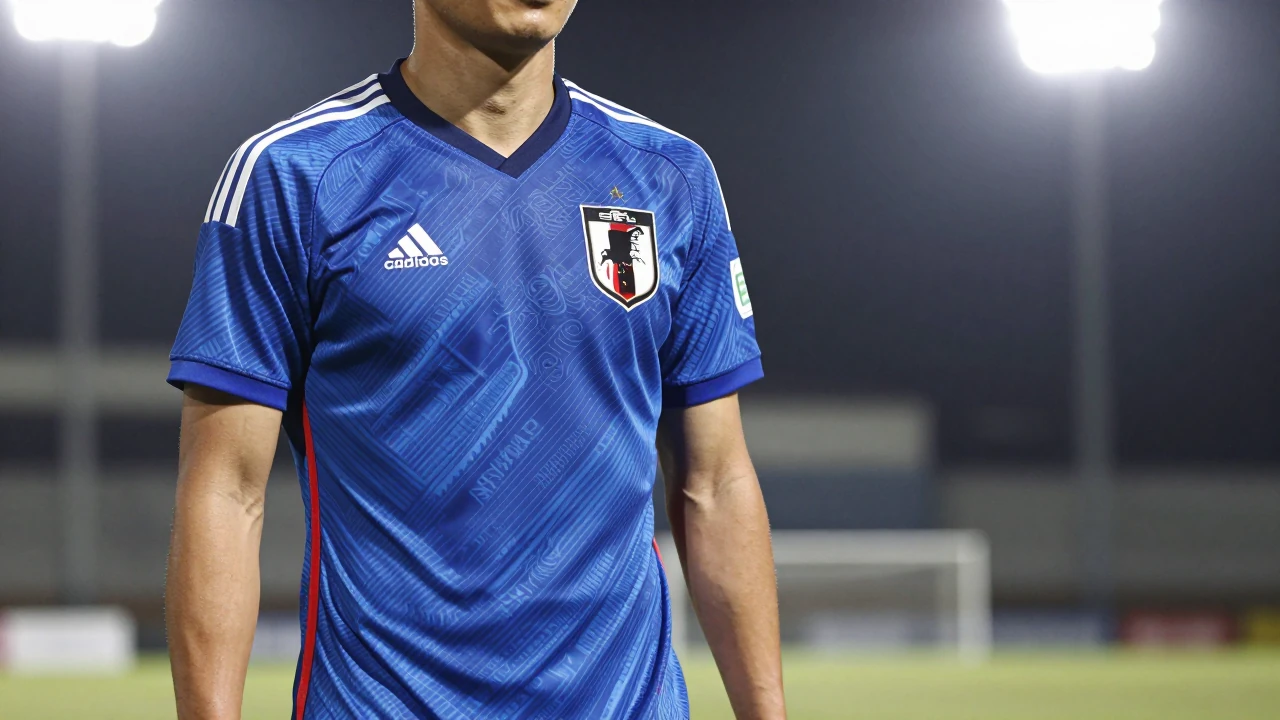
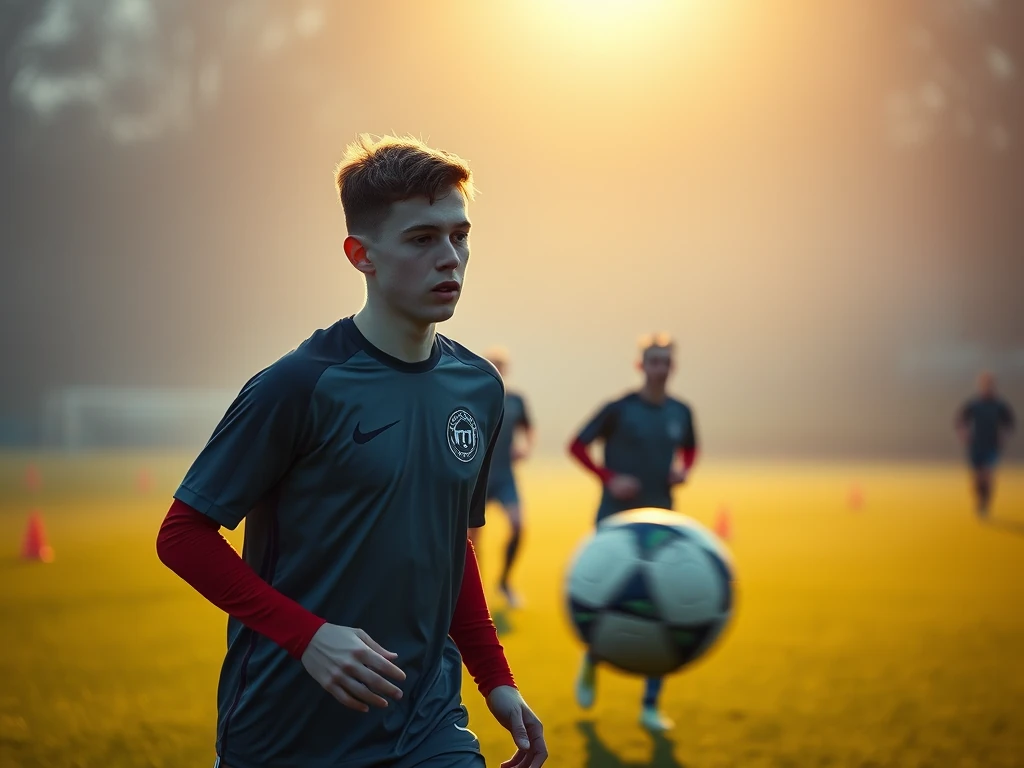
Over the past decade, Iceland has reshaped the football landscape. Despite its small size, the nation has amplified its presence on the international stage, notably with its remarkable performance during the UEFA Euro 2016. This growth serves as a significant case study for the Samurai Blue.
Several factors contribute to Iceland's success: - Youth Development: A robust academy system has emerged, allowing young talents to compete globally. - Community Support: Football has become a national pastime, with local communities rallying behind their players. - Tactical Evolution: Enhanced training methodologies and strategies have established a competitive style at the international level.
Impact on Japanese Football
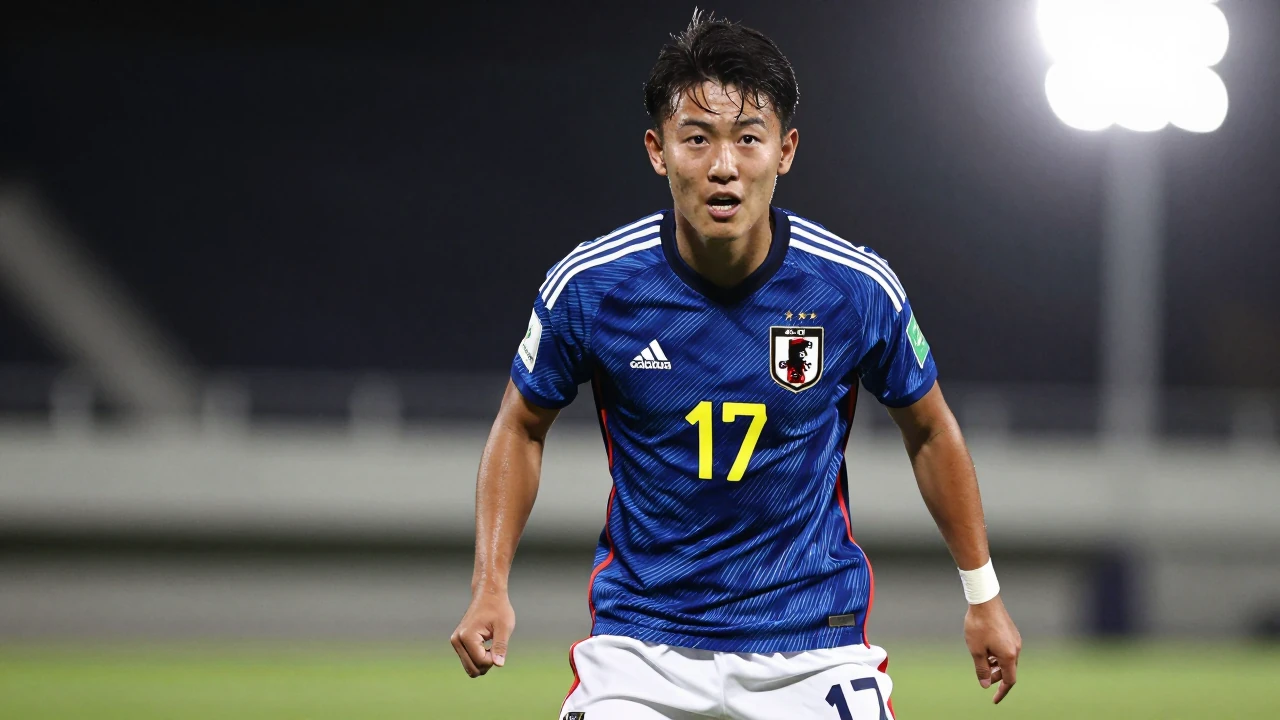
What does Iceland's rise mean for Japan? As the 2026 FIFA World Cup approaches, the Samurai Blue will likely face new formidable opponents. The emergence of small nations like Iceland, achieving results on a grand stage, acts as a wake-up call for Japan.
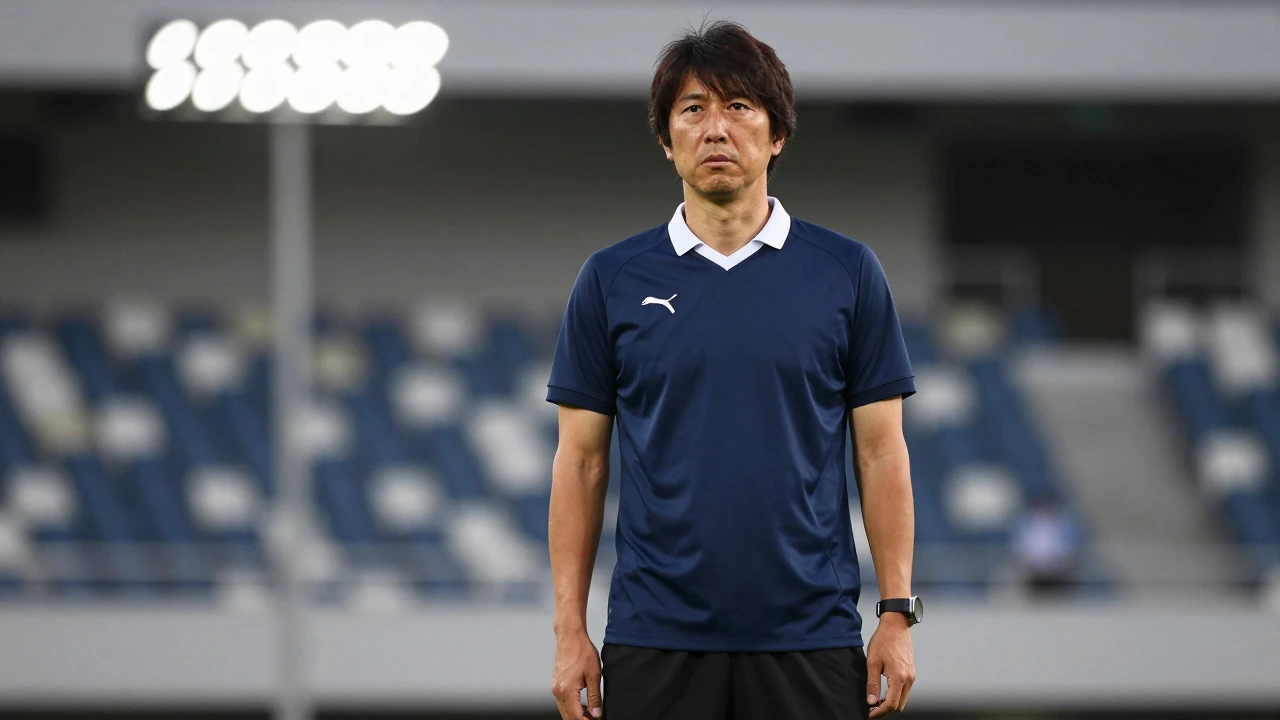
Japan's head coach, Hajime Moriyasu, should take note of Iceland's strategies and development models. Specifically, the following points may offer valuable lessons for Japanese football: - Increasing international experience. - Providing early opportunities for young players to develop. - Strengthening community ties and building supportive infrastructures.
Tactical Analysis
Iceland's success is primarily attributed to its defensive tactics. They have established an effective style that focuses on organized defense, successfully neutralizing opponents' attacks. This tactical approach will be critical as the Samurai Blue prepare for upcoming matches.
- Zone Defense: Players adjust their positions according to the opponent's movements.
- Counter-Attacking: Quickly transitioning to offense after thwarting an opponent's attack.
- Team Cohesion: Ensuring all players work together, sharing responsibilities in defense and attack.
Future Prospects for Samurai Blue
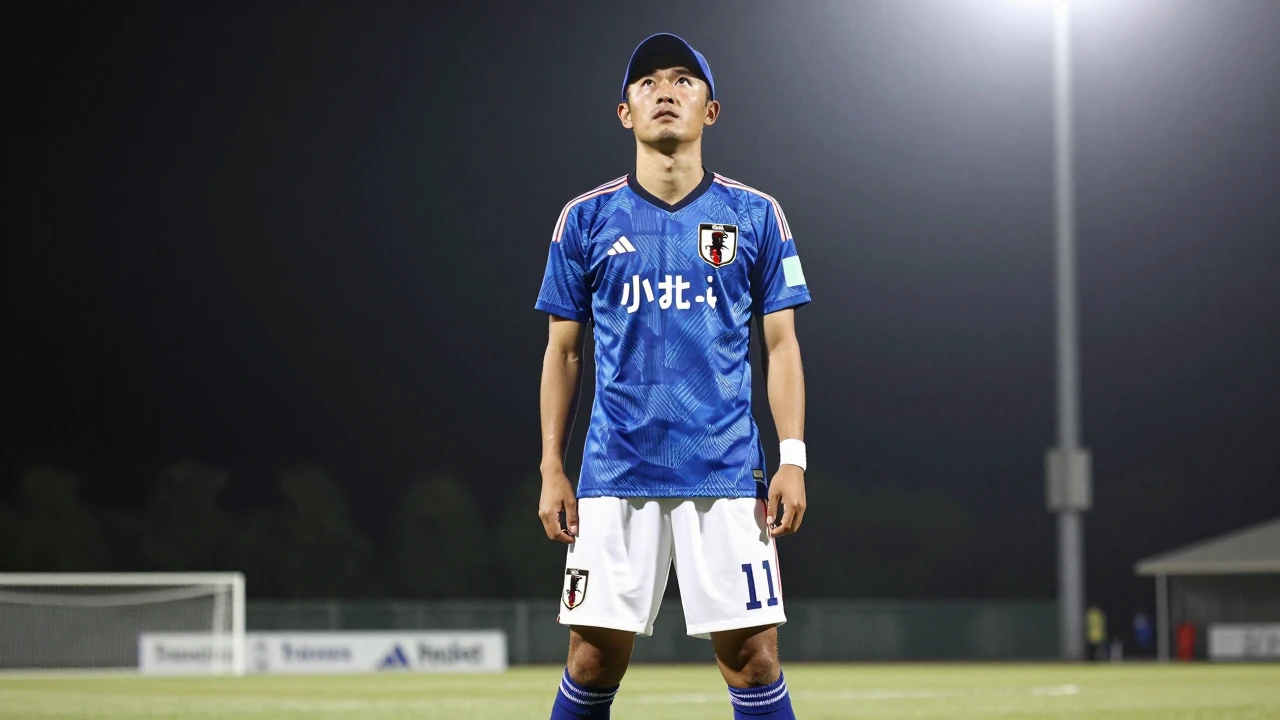
The Japanese national team is gearing up for the 2026 World Cup. With rivals like Iceland emerging, how Japan responds to this growth is crucial. In particular, refining tactics and developing players will be essential as they approach upcoming friendly matches and qualification rounds.
- Leveraging experiences from international friendlies in 2023.
- Focusing on discovering young talent.
- Incorporating tactical diversity to approach opponents appropriately.
Fan Reactions and Outlook
The response from Japanese fans to Iceland's rapid ascent varies. Many fans celebrate Iceland's achievements while expressing hopes for Japan to keep pace. Social media reflects sentiments such as: - "Seeing Iceland's growth inspires me for Japan to push harder!" - "New challenges await. I look forward to the evolution of the Samurai Blue."
What's Next
Iceland's success serves as both a cautionary tale and an inspiration for the Samurai Blue. As they prepare for the 2026 FIFA World Cup, Japan must confront new challenges head-on. By taking cues from Iceland's growth, anticipation builds around how Japan will evolve in the coming years.