A New Chapter in History
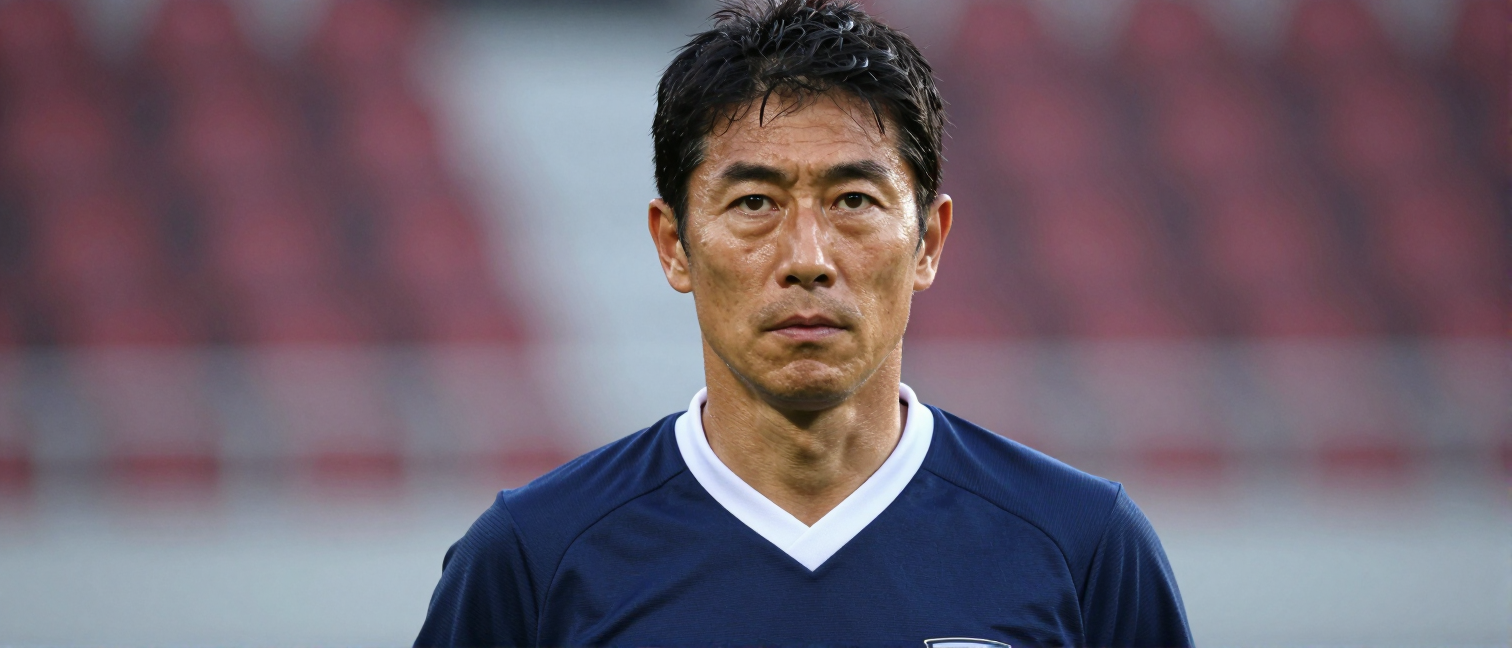
Samurai Blue's qualification for the 2026 FIFA World Cup, marking their 8th consecutive appearance, signifies a pivotal moment in Japanese football. As we reflect on past performances and look forward to future prospects, it’s crucial to understand how Japan will approach this tournament and its implications on the football community. This discussion will explore how Japan's participation may shape the landscape of international football.
Reflecting on Japan's Football Achievements
Samurai Blue has showcased remarkable performances in previous World Cups, carving a strong identity on the global stage. Since their debut in the 1998 France tournament, their journey has been emblematic of Japan's growth in the international football arena. Here’s a summary of their past World Cup results:
- 1998: Group stage elimination
- 2002: Reached the Round of 16
- 2006: Group stage elimination
- 2010: Reached the Round of 16
- 2014: Group stage elimination
- 2018: Reached the Round of 16
These results highlight Japan's increasing competitiveness, particularly their commendable performance against Belgium in the 2018 Russia tournament.
Outlook for the 2026 Tournament
The 2026 World Cup will be co-hosted by North America (the USA, Canada, and Mexico) and will feature a record 48 teams. This expanded format presents Japan with greater opportunities to advance beyond the group stage. Tactical adaptability will be critical in this new landscape, especially with emerging young talents poised to take the spotlight.
- Emerging young players: Stars like Takefusa Kubo and Ritsu Doan are set to shine
- Innovative tactics: The evolution of play under the new coach
- Fan engagement: Increased support from domestic and international fans
The combination of these elements positions Samurai Blue for a fresh challenge ahead.
Tactical Approach to Success
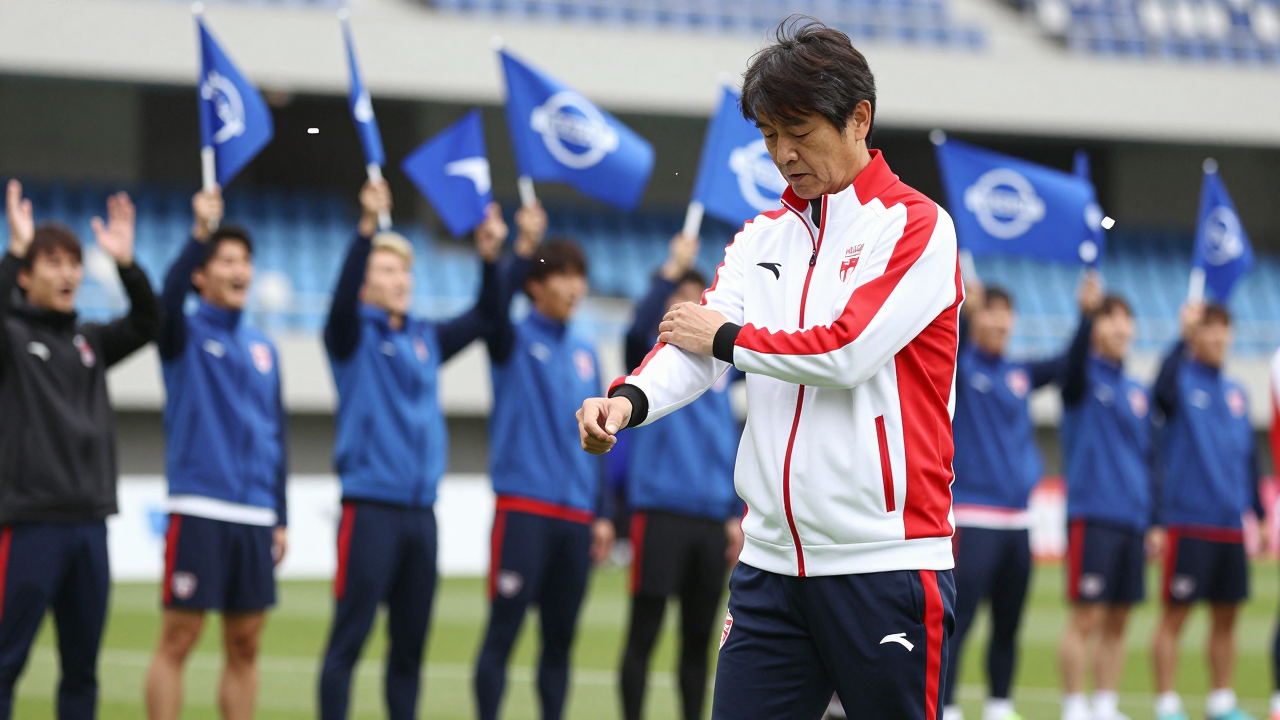
The success of Samurai Blue hinges on tactical innovation. Under the guidance of coach Hajime Moriyasu, the team is exploring strategies that maximize player strengths. Flexibility in adapting tactics based on match situations will be essential.
For instance, adopting a defensively solid approach against stronger opponents may be necessary, while focusing on speed and coordination in attack could exploit weaknesses in other teams. This duality in strategy can enhance their chances of progressing further.
Fan Reactions and Expectations
The fans’ reaction to Samurai Blue's qualification has been overwhelmingly positive. Enthusiasm is palpable on social media and in stadiums across Japan. Many supporters are particularly excited about the potential of young players.
- Fan expectations: Anticipation for young players to step up
- Voices of support: The importance of fan engagement in matches
- Community support: Strengthening ties with local clubs
The collective support from across Japan serves as a powerful motivator for the players. This unity is expected to energize the squad during the tournament.
What this means for Japan
Qualification for the 2026 World Cup holds significant implications for Japanese football. Competing on an international stage offers young players a dream opportunity to grow and develop their skills. The support and passion from fans will fuel the players' ambitions, fostering a culture where aspiring footballers can envision their futures within the sport. This can be a transformative moment for future generations.
What's next
As Samurai Blue gears up for the 2026 FIFA World Cup, they face a new set of challenges. The growth of young talents and tactical evolution will be critical for their success. Let’s keep an eye on how fan engagement will influence the team’s performance as they embark on this exciting journey, shaping the future of Japanese football together.